
2nd European GREEN Conference – EGC 2024
11-14 June 2024 | Vodice, CROATIA
Plenary Speaker
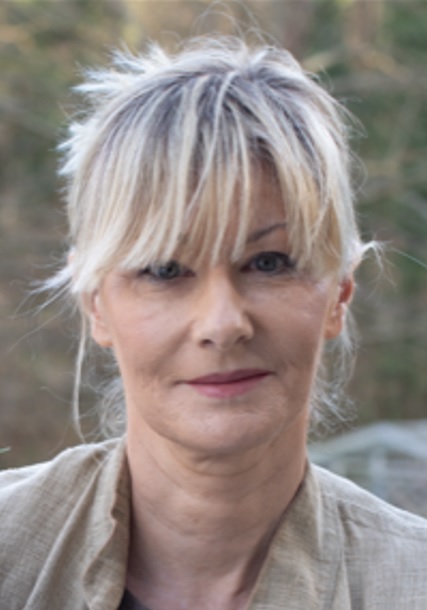
KORNELIJA BENYOVSKY ŠOŠTARIĆ, dipl, ing.
Tustika d.o.o Croatia
Kornelija Benyovsky Šoštarić was born in Zagreb in 1969, where she still lives today. After studying at the Faculty of Agriculture, she obtained the title of horticulture and landscape design engineer. Although she has behind her a number of projects in the field of garden design, she spent most of her working life as a journalist and editor at Croatian Radio and Television. The audience mainly recognizes her from the popular television show Vrtlarica, which promotes organic gardening as part of the culture of living. She is also the author of several books in this field, the most famous of which is Green Square, health from an organic garden (2010). This bestseller is a cult work that, according to many, fundamentally changed the classic conventional way of gardening in Croatia, as well as in neighboring countries. In addition to the Green Square, the Gardening Diary and Plants They Care are also published in the Profil edition.
Plenary lecture:
The impact of organic gardening on biodiversity and nature protection
Kornelija Benyovsky Šoštarić
Tustika d.o.o, Croatia
The conventional way of maintaining gardens implies a whole series of techniques and materials that reduce biodiversity and soil fertility. A special problem is the systematic use of pesticides and artificial fertilizers
that harm groundwater and air purity. On the contrary, in organic gardens protection and feeding of plants are carried out by means that are not harmful to the environment. In addition, diversity is encouraged, both in the selection of seeds and perennial species, especially old varieties, as well as regarding the implementation of autochthonous plants from the immediate area environment. Thanks to this, different microhabitats are created within an organic garden that makes life possible for many endangered species whose habitats are slowly disappearing. That is why such gardens are always rich in birds, mammals, insects and microorganisms. The positive results of organic gardening go beyond
the border of an individual garden, thus increasing biodiversity in the wider area as well.


 IAESP
IAESP 